RESOURCES
PREPARING FOR YOUR TRIP
-
U.S. citizens traveling to Morocco for tourism do not need a visa for stays of up to 90 days. Your passport must be valid at the time of entry. Worlds Converge recommends having at least six months of passport validity remaining beyond your planned departure date.
Travelers holding passports from other countries should verify Morocco's entry and visa requirements well in advance of departure.
All travelers are responsible for ensuring they have the appropriate travel documents.
For the latest information, visit the U.S. Department of State — Morocco.
-
Morocco is easily accessible by air, with international airports in Casablanca (CMN), Marrakech (RAK), Rabat (RBA), Fez (FEZ), and Tangier (TNG).
Travelers from the United States can fly nonstop on select routes or connect through major European cities such as Paris, Madrid, Lisbon, and London.
If you are joining a Worlds Converge journey, please review your itinerary carefully before booking flights, as arrival and departure cities may differ. We recommend arriving at least one day early to rest and adjust to the time difference before your journey begins.
Description text goes here
-
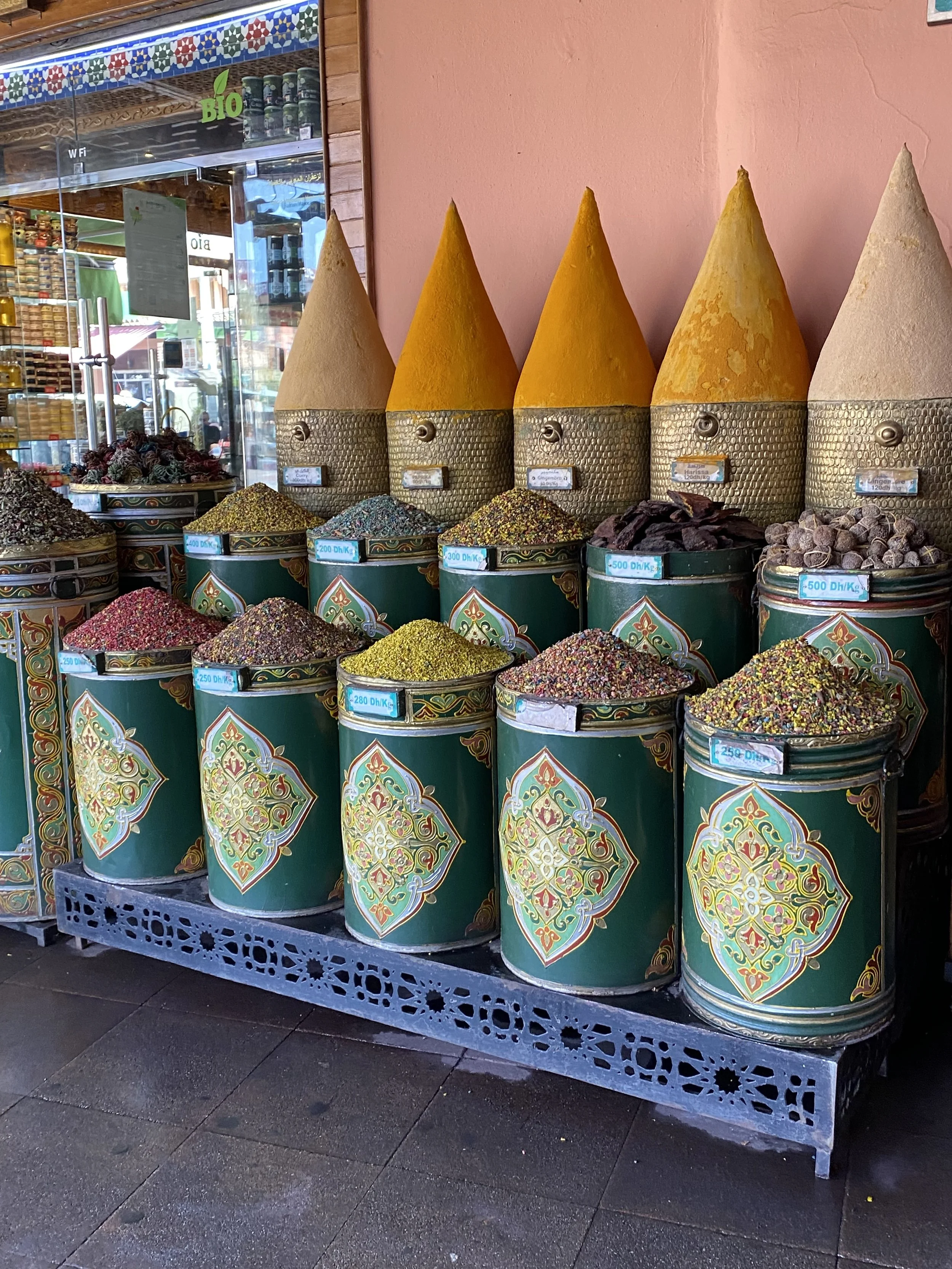
Morocco's official closed currency is the Moroccan dirham (MAD or DH). Currency can be exchanged at airports, banks, hotels, and authorized exchange offices. ATMs are widely available in cities and larger towns and generally accept international debit cards.
Credit cards, particularly Visa and Mastercard, are accepted at most hotels, larger restaurants, and established shops. However, Morocco remains largely a cash-based economy, especially in traditional markets (souks), smaller shops, and rural communities. We recommend carrying smaller denominations of dirhams for everyday purchases, refreshments, and gratuities.
Before traveling, check with your bank regarding international ATM withdrawals and foreign transaction fees. Keep your currency exchange receipts, as they may be required to convert unused dirhams before leaving Morocco.
Exchange rates fluctuate. Visit XE Currency Converter for current rates.
-
Staying connected in Morocco is generally easy, with reliable mobile coverage in major cities and towns. Most hotels, riads, cafés, and restaurants offer Wi-Fi, although connection speeds and reliability may vary, particularly in rural areas, the Atlas Mountains, and the Sahara Desert.
Before departure, check with your mobile provider about international roaming plans and fees. Alternatively, travelers can purchase a local prepaid SIM card from Moroccan providers such as Maroc Telecom, Orange, or Inwi, or arrange an eSIM before traveling. Be sure your phone is unlocked and compatible with your chosen option.
WhatsApp is widely used in Morocco for messaging and communication. We recommend downloading it before departure, along with offline maps for areas where cellular coverage may be limited.
-
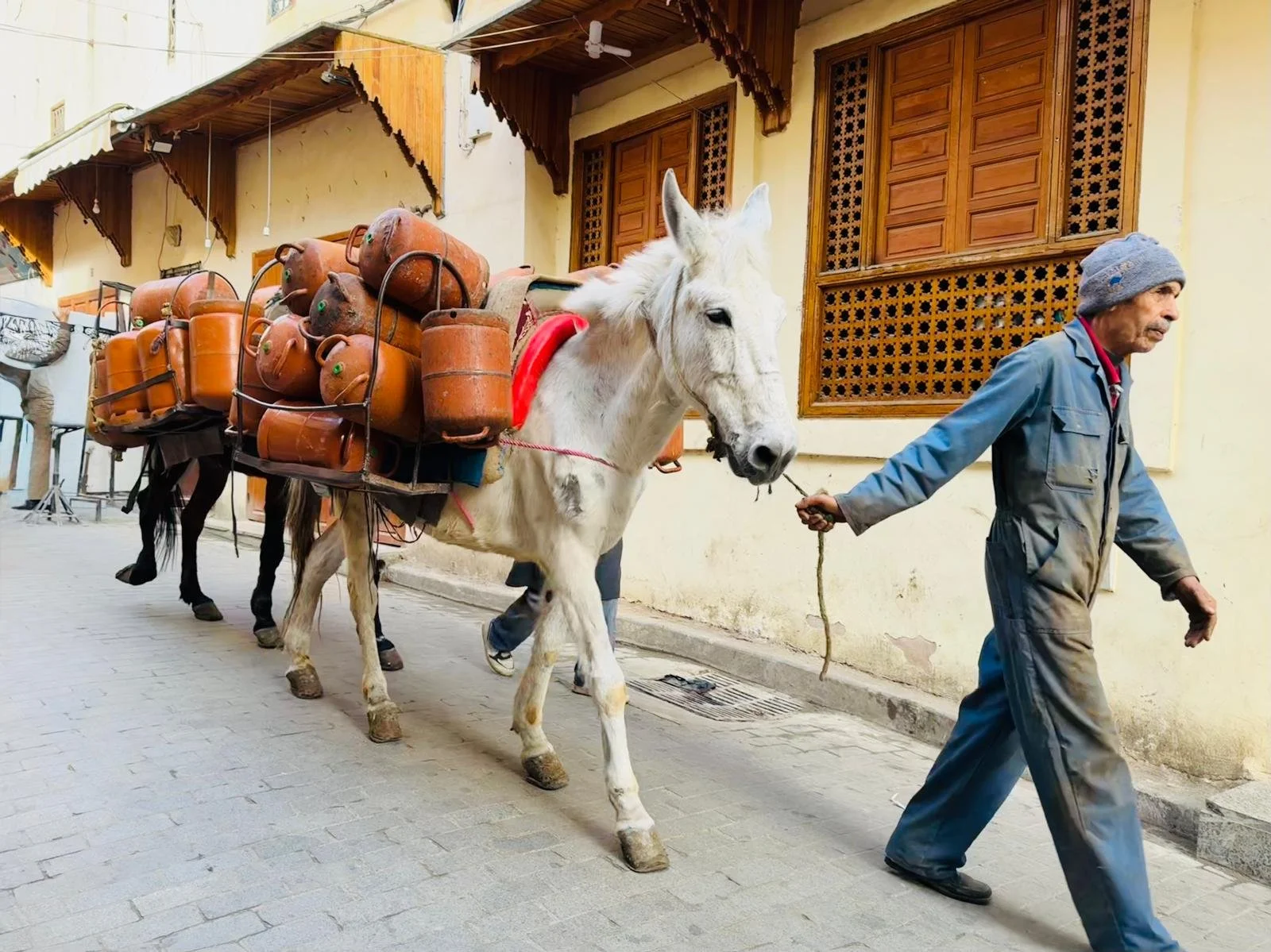
Morocco offers a variety of transportation options, from modern high-speed trains and comfortable intercity buses to traditional taxis and private drivers.
Taxis
There are two main types of taxis in Morocco:
Petit Taxis: Small, usually color-coded taxis that operate within city limits and typically accommodate up to three passengers. Fares are generally metered. Ask the driver to use the meter or agree on a fare before departing.
Grand Taxis: Larger vehicles used for travel between towns, villages, and surrounding areas. These taxis often operate on a shared basis, with passengers paying individually for their seats. Travelers may also arrange to hire the entire vehicle privately. Confirm the fare before departure.
Carry small denominations of Moroccan dirhams, as taxis generally prefer cash.
Trains
Morocco has an extensive rail network connecting major cities, including Casablanca, Rabat, Fez, Meknes, Marrakech, and Tangier. The Al Boraq high-speed train connects Tangier, Kenitra, Rabat, and Casablanca, offering a comfortable and convenient way to travel.
Schedules and tickets are available through ONCF — Morocco's National Railway.
Buses & Public Transportation
Intercity bus companies such as CTM and Supratours provide connections to destinations not served by rail, including Essaouira and Chefchaouen.
Casablanca and Rabat–Salé also have modern tramway systems, while local buses operate in most larger cities. These are economical options for independent travelers, although routes and schedules may require advance planning.
Rental Cars & Private Drivers
Rental cars are available at international airports and in major cities. Morocco drives on the right-hand side of the road. While major highways are generally well maintained, driving in congested cities, mountain regions, and rural areas can be challenging. We recommend reviewing insurance coverage, licensing requirements, and local driving conditions before renting a vehicle.
Hiring a private driver is another convenient option, particularly for longer journeys or travel to more remote destinations.
Traveling with Worlds Converge
On our guided Signature Journeys, transportation between destinations and for scheduled excursions is arranged in advance, using private, professionally operated vehicles appropriate for the group size.
Transportation during free time or for activities outside the scheduled itinerary is generally the traveler's responsibility unless otherwise specified. Airport transfers and other transportation inclusions vary by journey; please refer to your specific itinerary for details.
-
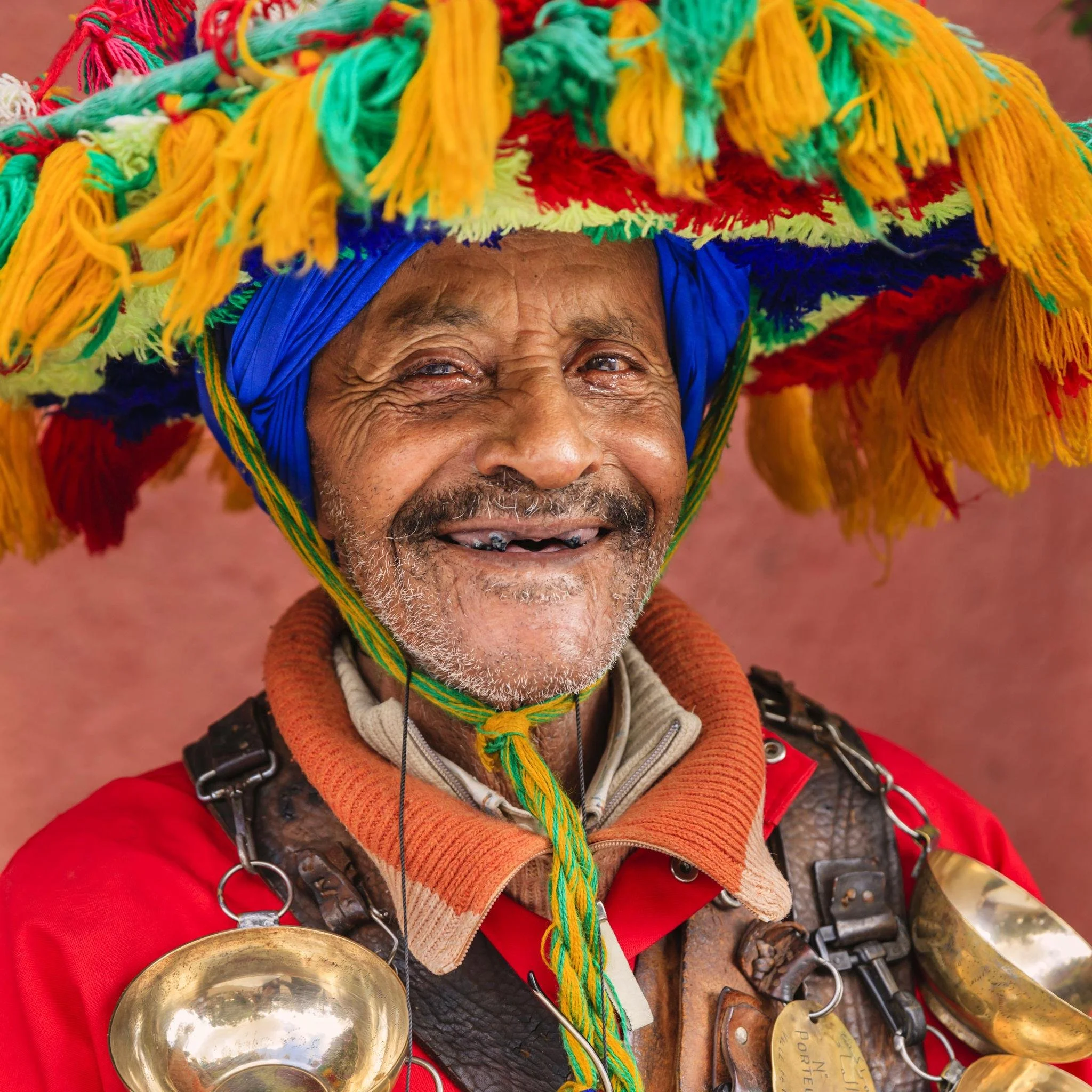
Morocco is a country of remarkable cultural diversity, shaped by Amazigh, Arab, Jewish, African, and Andalusian traditions. Respect for local customs and traditions enriches the travel experience and encourages meaningful connections with the people you meet.
While Morocco is welcoming to international visitors, modest dress is appreciated, particularly in rural communities, traditional neighborhoods, and religious settings. We recommend clothing that covers the shoulders and knees. Women are not required to cover their hair, and comfortable, lightweight clothing is appropriate for most activities.
Moroccan hospitality is an important part of daily life. Simple gestures such as greeting people before beginning a conversation, accepting hospitality graciously, and learning a few words of Moroccan Arabic (Darija) are warmly appreciated.
Always ask permission before photographing people, particularly in villages, markets, private homes, and places of worship. Be mindful of religious practices and local traditions, especially during Ramadan.
At Worlds Converge, we believe meaningful cultural exchange begins with curiosity, mutual respect, and a willingness to listen and learn.
-
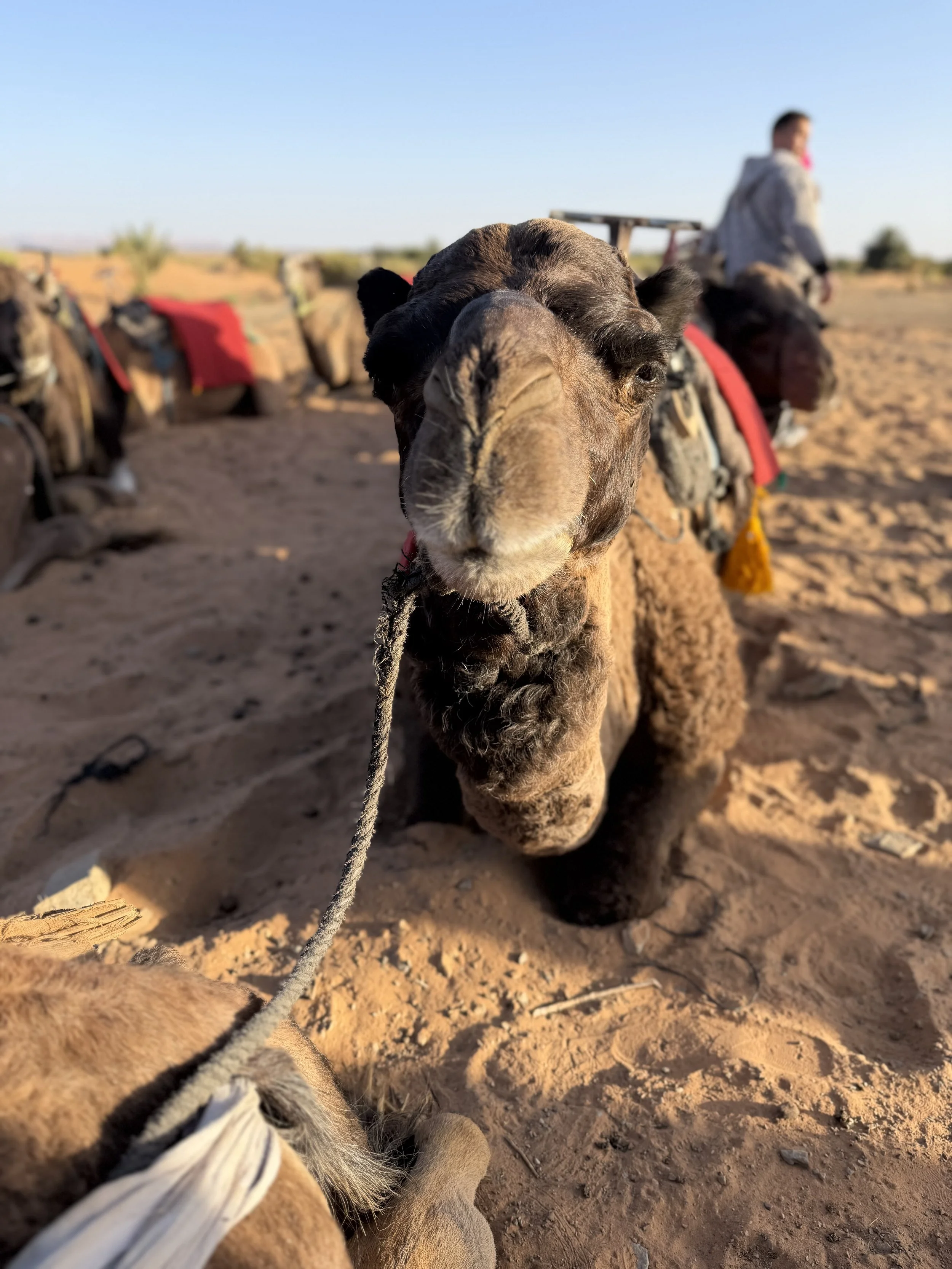
Morocco's climate varies considerably by region and season, from the Mediterranean and Atlantic coasts to the Atlas Mountains and Sahara Desert. Coastal areas generally enjoy mild temperatures, while inland cities such as Marrakech and Fez can be very hot in summer and cool in winter. Desert temperatures can fluctuate dramatically between day and night, and the mountains may experience snow during winter.
We recommend packing layers to accommodate changing temperatures throughout your journey. Comfortable walking shoes are essential for exploring medinas, historic sites, and uneven terrain. Lightweight, breathable clothing, a sun hat, sunglasses, sunscreen, and a light scarf are useful year-round. Depending on the season, a warm jacket and rain protection may also be necessary.
In summer (April to October), loose clothing is comfortable in the heat and when travelling.
In spring and autumn (March, April and October), a warm fleece or jacket is recommended for chilly evenings, although days are usually warm and sunny.
In winter (December to February), warm clothing is essential. It is particularly cold at night in the desert and mountains.
Travelers joining a Worlds Converge journey will receive additional packing recommendations tailored to their itinerary and time of year.
For more information, visit Morocco's Official Tourism Website — Climate & Seasons.
-
Beyond the usual clothing and travel essentials, a few small items can make your journey through Morocco more comfortable. Whether you're exploring the winding streets of a medina, visiting rural communities, or spending a night in the Sahara, we recommend packing:
Travel-size tissues and hand sanitizer
Secure, zippered crossbody bag
Waterproof pouch for your phone and electronics
Portable phone charger
European-style electrical adapter (Types C/E)
Small zip-top bags for organizing and protecting belongings
Reusable water bottle
Personal medications and basic first-aid supplies
Earplugs for light sleepers
Compact flashlight
Small daypack for excursions
Digital and paper copies of important travel documents
A little preparation goes a long way toward making your Moroccan journey comfortable and carefree.
-
Morocco has both public and private healthcare facilities, with modern private hospitals and clinics available in major cities such as Casablanca, Rabat, Marrakech, and Fez. Medical services may be more limited in rural areas, the Atlas Mountains, and the Sahara Desert.
Before You Travel
We recommend consulting your healthcare provider or a travel medicine specialist at least 4–8 weeks before departure to review recommended vaccinations and any personal health considerations. The CDC recommends that travelers be up to date on routine vaccinations and provides additional guidance regarding Hepatitis A, Hepatitis B, and typhoid.
Bring an adequate supply of prescription medications in their original labeled containers, along with copies of your prescriptions. Certain medications may be restricted, so verify requirements before traveling.
Medical Care & Travel Insurance
Private medical facilities generally offer higher standards of care than public hospitals, but payment may be required before treatment. We strongly recommend comprehensive travel insurance that includes emergency medical treatment, hospitalization, and medical evacuation.
Pharmacies & Everyday Health
Pharmacies are widely available in cities and towns, and pharmacists can often assist with minor ailments. We recommend bringing a small supply of familiar over-the-counter medications, including remedies for stomach discomfort, headaches, and allergies.
Drink bottled or properly treated water, practice good hand hygiene, and take precautions against dehydration, particularly during warmer months.
Emergency Medical Assistance
Morocco's emergency ambulance number is 150. In the event of a medical emergency during a Worlds Converge guided journey, our local team will assist travelers in obtaining appropriate medical attention.
For current health recommendations, visit the CDC Travelers' Health — Morocco.
-
We strongly recommend purchasing comprehensive travel insurance to help protect your investment in the event of unexpected emergencies, trip interruptions, cancellations, medical situations, or delays.
There are many reputable travel insurance providers available, and travelers are welcome to choose the policy and provider that best fits their individual needs and comfort level.
Common coverage options may include:
Trip cancellation or interruption
Emergency medical coverage
Medical evacuation
Lost or delayed baggage
Flight delays
Cancel For Any Reason (CFAR) upgrades (when available)
Travel insurance can often be purchased through providers such as:
Allianz Travel Insurance
Travel Guard
World Nomads
Berkshire Hathaway Travel Protection
InsureMyTrip (comparison marketplace)
Squaremouth (comparison marketplace)
Please carefully review policy details, coverage limitations, and deadlines for purchasing coverage, as some benefits are time-sensitive.
Worlds Converge does not provide travel insurance directly and cannot advise travelers on which policy to select. Travelers are responsible for securing coverage appropriate to their individual needs.